.png)
Built in the Dark How Pain Becomes Discipline Purpose and Power
Pain has a way of stripping life down to what is real. It removes the extra noise. It exposes the habits, beliefs, and people that cannot hold weight. It also reveals a harder truth: what hurts can either harden into bitterness or be shaped into strength.
Nobody asks for the dark seasons. Loss, rejection, failure, betrayal, loneliness, disappointment, and regret rarely arrive with warning. They interrupt the plan. They change the way a person sees the world. For a while, they can make ordinary things feel heavy.
Yet some people come out of those seasons with a steadier mind, a clearer purpose, and a quiet kind of power. They do not become strong because the pain was good. They become strong because they learned how to work with what the pain exposed.
That is the heart of being built in the dark. It is the slow process of turning pain into discipline, purpose, and power.
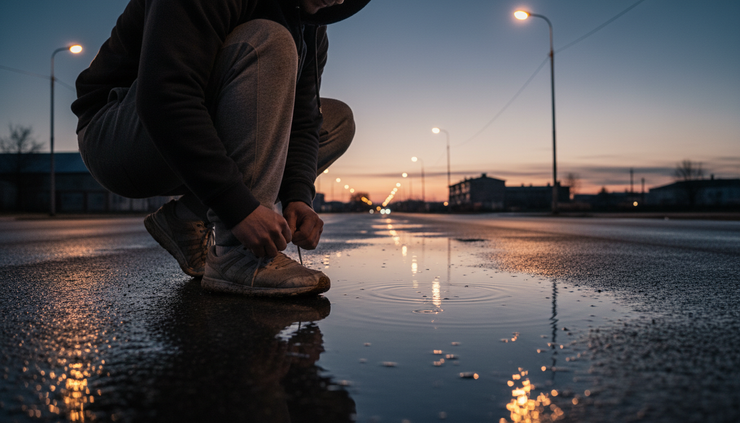
Pain does not become power by itself
Pain is raw material. It is not automatically wisdom, strength, or growth.
Some pain goes unprocessed and turns into anger. Some turns into fear. Some becomes a wall between a person and everyone who tries to get close. Pain can shrink a life if it is left alone too long.
That is why the phrase “what does not kill you makes you stronger” only tells part of the story. Hardship can build strength, but only when it is met with reflection, support, and repeated choices. Without those, pain can simply become another wound carried from one season into the next.
The first step is honesty.
Not dramatic honesty. Not public confession. Just the private kind that says:
This hurt me.
This changed me.
I do not want to stay here.
I need to choose what this becomes.
That moment matters. It marks the shift from being controlled by the pain to taking responsibility for the response.
Responsibility does not mean blame. It does not mean pretending something was fair. It means recognizing the one part that can still be shaped: the next choice.
That is where discipline begins.
Discipline is pain given direction
Discipline often gets described as strict routines, early mornings, cold showers, workouts, and sacrifice. Those things can be part of it, but they are not the core.
At its deepest level, discipline is the decision to act in alignment with who you are becoming, even when your emotions are loud.
Pain makes emotions loud. It says stay in bed. It says isolate. It says quit before trying again. It says one bad day proves the whole future is ruined.
Discipline answers with one small act.
Get up.
Drink water.
Take the walk.
Make the call.
Write the page.
Apologize.
Apply again.
Clean the room.
Do the next honest thing.
In the dark, discipline rarely looks impressive. It often looks boring. It looks like keeping one promise to yourself when nobody would know if you broke it.
That is why small promises matter so much. A person rebuilding after pain should not start by trying to change everything at once. Big declarations can feel powerful for a day, then become another source of shame when life gets heavy again.
Start smaller.
Choose one daily action that proves you are still participating in your own life. Make it clear enough that you know whether it happened.
Examples:
Walk for 10 minutes.
Read two pages.
Write down one honest thought.
Put your phone away for the first 20 minutes after waking.
Do one task you have been avoiding.
Go to bed at a set time three nights this week.
These actions may look too small to matter. They are not. They rebuild trust with yourself.
Pain often damages that trust. It can make a person feel weak, lost, or unreliable. Discipline restores the inner evidence that says, “I do what I say I will do.”
That evidence becomes strength.

Purpose is found in what pain reveals
Purpose is not always discovered in a perfect moment of clarity. Sometimes it rises from the ache.
Pain reveals what matters.
Grief reveals love.
Betrayal reveals the need for truth.
Failure reveals where preparation was missing.
Loneliness reveals the hunger for real connection.
Regret reveals the values that were ignored.
When pain is examined with courage, it points toward purpose. It shows what can no longer be lived casually.
A person who has known deep loneliness may develop a purpose around showing up for others. A person who has recovered from failure may become committed to preparation. A person who grew up unheard may build a life marked by listening, honesty, and voice.
Purpose does not have to be grand to be real. It does not need a stage, a title, or an audience. Purpose can be as simple as refusing to repeat what hurt you. It can be raising children with more patience than you received. It can be building a home that feels safe. It can be becoming the friend you once needed.
Pain becomes purpose when the question changes.
Instead of only asking, “Why did this happen to me?” the stronger question becomes, “What will I build from here?”
That question does not erase grief. It does not make the past acceptable. It gives the future a job.
Purpose gives pain somewhere to go.
The dark teaches focus because it removes distractions
There is a strange clarity that can come during hard seasons. When life is comfortable, distraction is easy. A person can stay busy without being honest. They can chase approval, noise, pleasure, and comparison.
Then pain arrives, and many of those things lose their shine.
The dark makes some questions impossible to ignore.
Who is really there?
What habits are making this worse?
What am I afraid to face?
What do I keep pretending not to know?
What kind of person do I want to become after this?
This is why the dark can become a training ground. Not because suffering is noble by itself, but because it can create focus. It can separate what is useful from what is draining.
In a dark season, energy is limited. That limitation can become a teacher. It forces choices.
Some conversations cost too much.
Some environments keep the wound open.
Some habits offer comfort for an hour and consequences for a week.
Some goals are not worth the person you have to become to reach them.
Focus grows when a person stops trying to carry everything. The painful season may have taken much, but it may also make one thing clear: the old way cannot continue.
That clarity is a form of grace, even when it arrives through tears.

Power is quiet before it is visible
Real power is often misunderstood.
Many people imagine power as control, status, dominance, or never being affected. That kind of power is fragile. It depends on being seen a certain way.
The power built in the dark is different. It is quieter. It does not need constant proof.
It looks like emotional control when old triggers appear.
It looks like walking away from what once pulled you back.
It looks like telling the truth without begging to be understood.
It looks like choosing peace without becoming passive.
It looks like staying soft in the right places and firm in the necessary ones.
This kind of power comes from self-command. A person learns, often through painful practice, that feelings are real but not always reliable leaders. Anger can visit without driving. Fear can speak without deciding. Sadness can be honored without becoming identity.
That is not easy work. It takes time. It may take support from trusted friends, mentors, counselors, faith communities, or other safe places. If pain has become overwhelming or dangerous, reaching out for help is not weakness. It is a wise act of protection.
Power is not never needing help. Power is knowing when to seek it and having the courage to receive it.
The person built in the dark no longer has to perform strength. They have lived enough to know what it costs.
Do not romanticize the wound
There is a danger in talking about pain as fuel. It can sound like pain is required for growth, or that people should be grateful for what broke them.
That misses the point.
Pain should not be worshiped. Wounds should not become identity. Hard seasons should not be turned into proof that someone is more worthy than another person.
The goal is not to stay loyal to suffering. The goal is to heal enough to stop letting suffering lead.
Some people become attached to the version of themselves that survived. That version deserves respect. It got through what it had to get through. Yet survival mode is not the same as freedom.
Survival mode says stay guarded.
Freedom says choose wisely who gets access.
Survival mode says expect the worst.
Freedom says stay prepared without surrendering hope.
Survival mode says pain is all you know.
Freedom says pain was part of the story, not the whole story.
Being built in the dark means honoring what happened without building a home there.
Turn pain into practice
Transformation becomes real when it becomes practical. Insight can open the door, but practice carries a person through it.
A simple way to begin is to create a rhythm around three questions.
What is this pain trying to show me?
This question slows the reaction. It creates space between the wound and the response.
Maybe the pain is showing a boundary that needs to be set. Maybe it is revealing an insecurity that needs care. Maybe it is pointing to a dream that has been ignored too long. Maybe it is showing a pattern that keeps repeating.
Write the answer without editing it too much. Honesty comes before polish.
What discipline would help me heal and grow?
Choose one practice that matches the pain.
If the pain is chaos, create order.
If the pain is regret, practice repair.
If the pain is rejection, practice self-respect.
If the pain is fear, practice one brave action.
If the pain is numbness, practice presence.
Keep the discipline simple enough to repeat. Repetition matters more than intensity.
Who can I become because of this?
This question aims the heart forward.
Do not answer with fantasy. Answer with character.
More patient.
More honest.
More grounded.
More courageous.
More focused.
More compassionate.
More consistent.
The answer becomes a target. The daily discipline becomes the path.

The strongest people are often built where no one claps
Much of real growth happens without applause. Nobody cheers when someone chooses not to send the angry message. Nobody awards a trophy for getting out of bed during grief. Nobody sees every private moment when old habits are resisted.
Still, those moments count.
They are the hidden reps. They are the unseen decisions that form a life.
One day, what was once difficult becomes natural. The walk becomes a routine. The boundary becomes normal. The honest conversation becomes less terrifying. The old trigger loses some of its power. The future starts to feel possible again.
That is how pain becomes discipline, purpose, and power.
Not all at once.
Not through pretending.
Not by denying the hurt.
It happens through small acts of courage repeated in the dark. It happens when a person refuses to waste the lesson, even while grieving the cost. It happens when pain is no longer allowed to be the author, only a chapter.
The dark season may have shaped you, but it does not get the final word.
Build there if you must. Heal there if you can. Learn there. Train there. Then carry the strength forward into the light.



Comments